

There is a moment during certain treatments when the body seems to soften all at once. Breathing deepens, muscles release without conscious effort, and attention drifts inward naturally. This layered response often emerges when warmth, scent, and physical contact interact together, rather than operating in isolation. People experiencing a Thai herbal compress massage frequently describe this combined effect as more immersive and longer-lasting than single-sensory treatments.
Each element stimulates a different pathway in the nervous system. Heat influences circulation and tissue elasticity. Aroma engages memory and emotional processing. Pressure activates proprioception and muscular feedback. When layered intentionally, these signals reinforce one another rather than competing for attention.
The body does not interpret sensation in isolation. It integrates sensory input into a unified response that shapes relaxation depth and recovery quality.
Heat Creates Physical Readiness
Warmth increases blood flow and softens connective tissue, making muscles more responsive to manual contact. Increased circulation delivers oxygen and nutrients more efficiently while supporting waste removal from fatigued tissue.
Heat also reduces protective muscle guarding. When tissues feel safe and supple, movement and pressure register as supportive rather than intrusive.
This readiness allows deeper mechanical benefit without excessive force.
Aroma Influences Emotional Regulation
Scent travels directly to areas of the brain associated with memory and emotion. Herbal aromas often evoke grounding, comfort, or alert calm depending on blend composition.
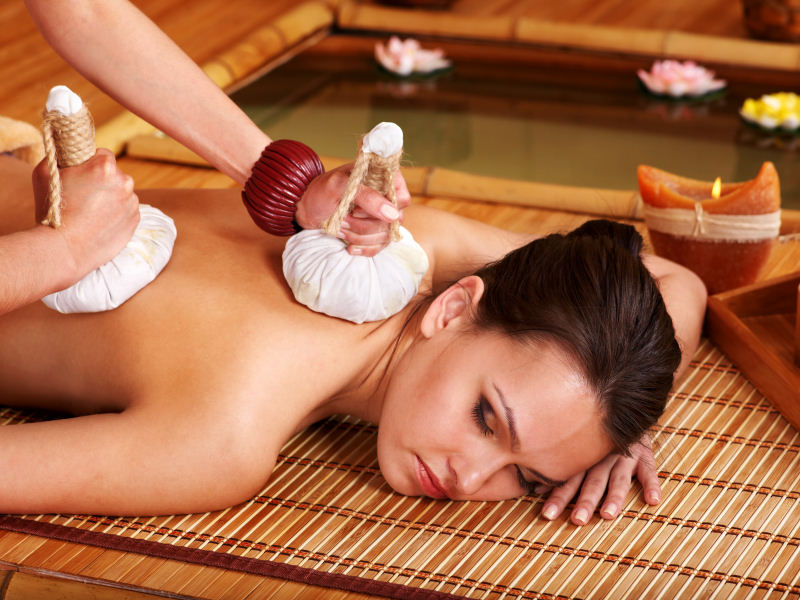
Aroma influences mood quickly and subtly, supporting relaxation without cognitive effort. When scent aligns with warmth and touch, emotional regulation stabilises more rapidly.
This sensory layering enhances perceived comfort and trust.
Pressure Guides Muscular Awareness
Manual pressure communicates positional feedback to the nervous system. It improves awareness of tension patterns, posture habits, and movement restrictions.
Steady, rhythmic contact encourages muscular release while maintaining safety perception. The body responds with gradual softening rather than abrupt reflex.
Pressure anchors attention into physical sensation rather than mental distraction.
Sensory Integration Amplifies Effectiveness
When heat prepares tissue, aroma calms emotional tone, and pressure guides release, the combined effect multiplies rather than adds. Each channel reinforces nervous regulation and physiological adaptation.
The nervous system shifts more completely into recovery mode because multiple sensory confirmations align simultaneously. This integration explains why layered treatments often feel deeper and longer lasting.
Memory Formation Through Multisensory Experience
Experiences engaging multiple senses embed more strongly into memory. Warmth, scent, touch, and rhythm form emotional associations that linger beyond the session.
This positive imprint encourages relaxation recall later, even outside treatment environments.
The combination of heat, aroma, and pressure works because the body evolved to interpret coordinated sensory input as safety and restoration. When multiple pathways align, relaxation becomes embodied rather than conceptual, allowing recovery to unfold naturally without forced effort.
Comments are closed.